
Homeward Bound

The work of a journalist and documentary filmmaker, my two primary occupations, has required a great deal of time on the road. It is a life I have loved. The work has felt like home, even though it has required time away from family and friends.
The job frequently involves stepping into the lives of people you’ve never met in places you’ve never been. You try to see the world through the eyes of others. Again and again, you find yourself exploring a fundamental question that, in one way or another, defines all of our lives: what do we consider home?
Home is not just a physical structure, though that can be deeply important and imbued with meaning. It is also broader geographies and feelings. It is the people who surround us, chosen or otherwise. It is our sense of meaning, belonging, and purpose. It can encompass both our vulnerabilities and our strengths, our disappointments and our desires.
The question of home feels particularly urgent now, as we struggle to understand the glaring conflicts within America’s many manifestations. Which makes it a fascinating time to get out into this country and try to grapple with its complexities and contradictions.
So this year will involve a great deal of travel for me and a wonderful team of collaborators. Our new project is a feature-length documentary inspired by and loosely pegged, as the marketing jargon goes, to the nation’s forthcoming 250th birthday.
The premise is that the compact we have with one another, and with our government, is broken. We acknowledge this is hardly a groundbreaking insight. Our hope, however, is that the film can play a small part in mending our civic fabric.
The mechanism we have conjured for this task is to model respectful dialogue at a time when almost everyone we’ve talked to worries about a soaring national deficit of thoughtful discourse. So we are traveling to far-flung and slightly random parts of the country, where we gather different types of people to sit down with one another. Everyone we are filming lives in the United States, so in a sense there is a shared home. But how each of us relates that overarching definition to our individual identities, geographies, histories, hopes, and fears is what we hope to explore.
This is why I spent the last week in Midcoast Maine for our latest shoot. It happens to be, quite literally, the home of my friend and the film’s director, Ian Cheney. I have been there many times before. But I would not say I know the place well. Wherever we live or travel, any one of us can see only a small sliver of the whole.
In one of my brainstorming sessions with Ian, I said offhandedly that maybe we should ask people to describe the mood of the country. He rightfully pushed back. How can a country have a single mood? And how can any one person pretend to understand that? The whole point is that we each define our truths through our unique vantage points.
Democracy depends on our ability to debate our differences in order to shape meaningful policy. We need humility. Something documentary filmmakers may be well positioned to offer. Our work is mostly a process of having our assumptions scuttled by experience.
On the final night of my stay in Maine, Ian welcomed me to his home for hearty beef stew with his wife, kids, parents, and friends—farmers who live across the country road. The conversation was lively, funny, and full of local references I didn’t fully understand. It is a landscape different from my home, where many people can trace their family lineages and the age of their houses to a time before there was a United States.
But what I felt there, sitting around the table with a roaring fire in the hearth, is what I have been hearing in conversations for the film. There is a lot of warmth out there in this country. We do have common bonds. But we need to do the hard work of working through our differences face to face, in community.
After many of the conversations we’ve filmed, people thank us for inviting them to participate. They tell us there is far less time for this kind of essential human communication. We are forgetting how to sit down and wrestle with difficult topics civilly. We too rarely take the time to listen. Especially in an age of screens, when the shadow of AI deepens the fear that we are losing skills essential to our species.
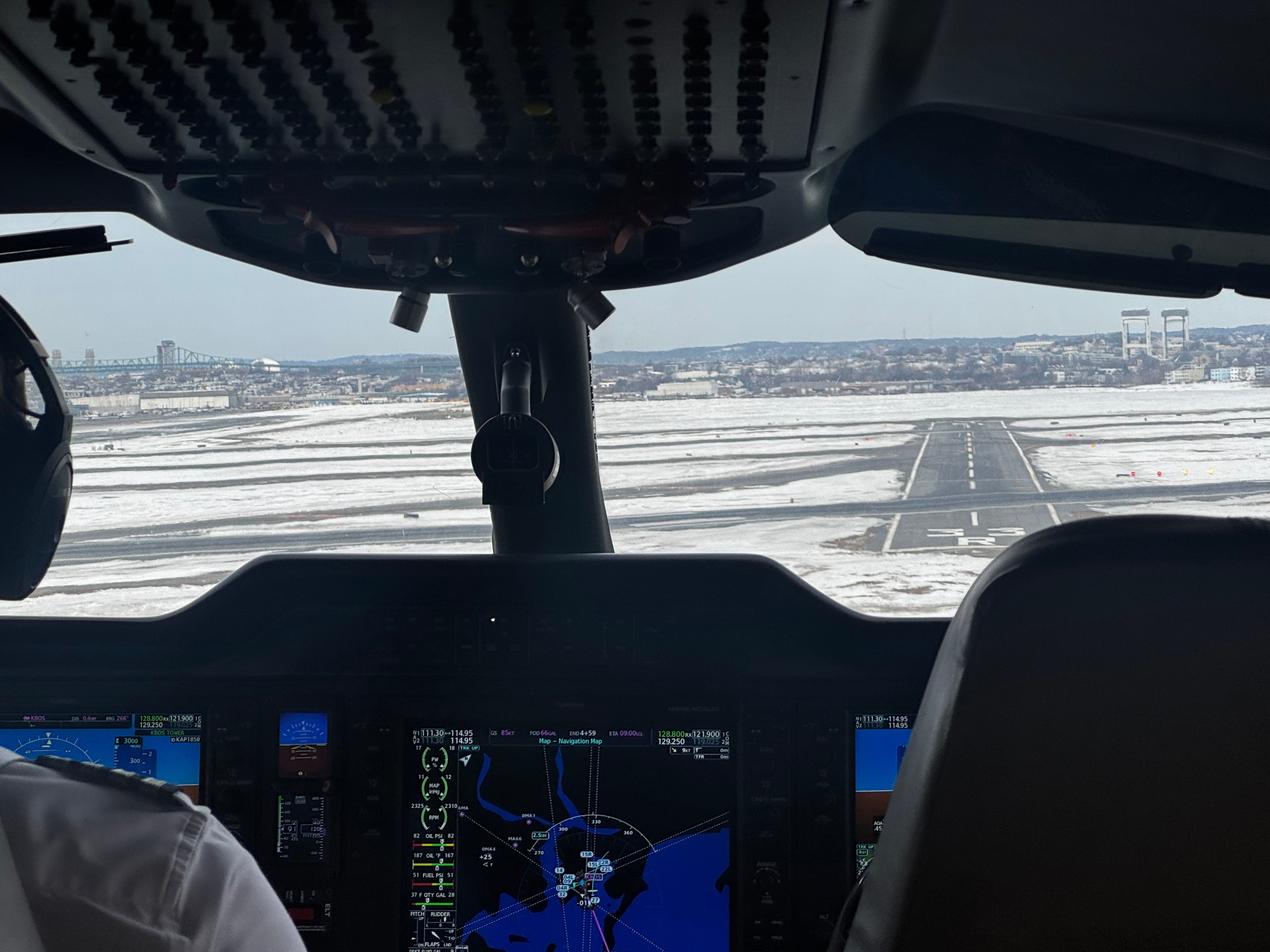
The next morning, I began my aerial dogleg back home. The first jaunt was from the postage-stamp airport in Owls Head, Maine, to Boston. As I waited for the flight, I met two women who worked at local middle schools, a career choice that ranks high for me in both importance and courage. I thanked them for their service, and they asked what had brought me to Maine. When I explained the project, they nodded and were eager to talk about the importance of talking.
They shared other themes that have been surfacing repeatedly in our film, especially the crisis in affordability, particularly in a profession like teaching, which should be considered essential and well rewarded. But their greatest concern was the effects of technology, especially social media, on young minds and on democracy.
The plane had five passengers in total and only one pilot. Before takeoff, he announced that it was probably the most beautiful day of the year to fly, which I particularly appreciated. I’ve flown this route several times, and once the turbulence was so severe it had the little prop plane bouncing around like a tennis ball in a clothes dryer.


But today there was nary a quiver as we rose into the sky. Looking out at the snow-covered landscape and the bright blue ocean reflecting the morning sun, I felt the pull of returning home and the hope that the country could also orient itself in a positive direction. It felt peaceful up there, despite the steady roar of the propeller outside the window.
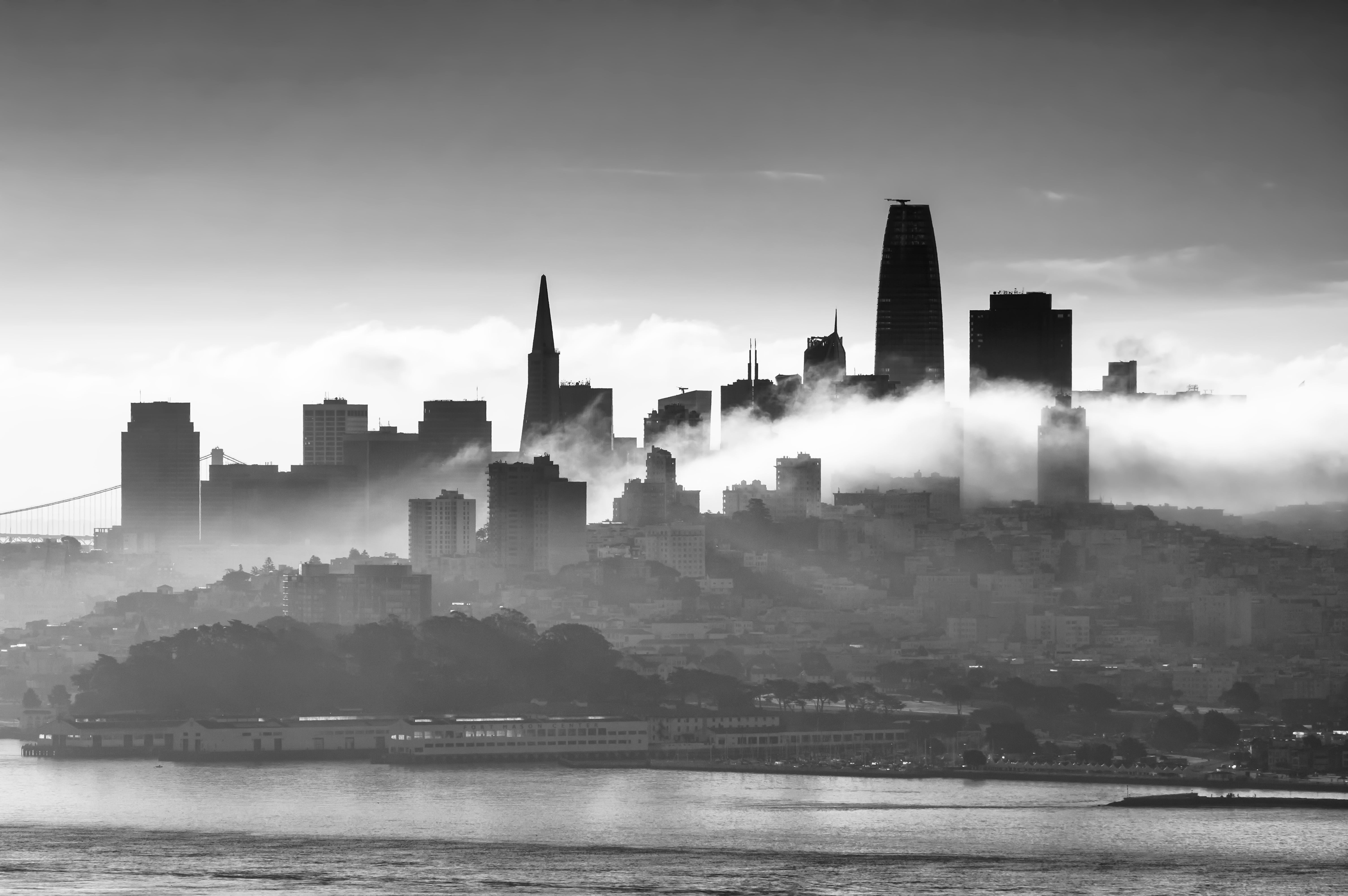
Then it was back to what we like to call the City by the Bay, a slightly self-involved nickname given the countless cities around the world perched beside bays, inlets, fjords, gulfs, and other such waters. The desire to settle near a sheltered shore, while still exploring a broader world, appears to be a shared human instinct. Even as we seek adventure and growth, there is still a yearning to find a safe harbor to call home.
Hi Elliot,
My journey, beginning with my birth 78 years ago, has taught me (my vantage point) that we all share a common origin filled with love, joy, fearlessness and immense curiosity. Every endeavor of every individual, every word and every action, will vibrate with the presence of the above by degrees.
Sadly, there is a darkness that afflicts vast numbers of people. The absence of connectedness to our true nature and thus to each other is all too apparent.
Our true home is within, where the joy lives. This is not about creating joy, it is about discovering the joy that already exists within us.
Eagerly await the end product of this project. With you and your collaborators work ethic and desire to explore all opinions the film should be a revelation.